

Thinking of giving your HDB flat a fresh new look? Before you start picking out tiles or knocking down walls, it’s crucial to understand HDB interior design rules in Singapore. These regulations outline exactly what you can and can’t renovate, helping you avoid costly mistakes, delays, or even penalties. Whether you’re upgrading your kitchen, reconfiguring rooms, or improving storage, compliance ensures a smooth, hassle-free project. At Nine Zone Interior, we help homeowners navigate these guidelines while delivering creative, functional designs. In this article, we break down the top 9 HDB interior design rules so you can plan confidently and transform your space within the legal framework.
Key Takeaways
- HDB implements strict renovation regulations to maintain safety, structural stability, and a consistent appearance across public housing estates, ensuring that alterations do not compromise building integrity or affect neighbouring units. Homeowners must apply for and secure an HDB renovation permit before starting works involving structural changes, such as wall hacking, modifications to reinforced concrete structures, or relocation of bathrooms and kitchen renovation.
- Certain areas, like bathrooms, windows, and load-bearing walls, are subject to strict limitations or approved methods only, to prevent water leakage, structural damage, or safety hazards; for example, bathroom floor finishes can only be replaced using HDB’s approved waterproofing methods.
- Non-structural updates, such as repainting, replacing floor tiles, or installing built-in furniture, are generally allowed without a permit. However, they must still comply with HDB’s technical specifications and approved materials. Engaging an HDB-registered renovation contractor or interior designer ensures compliance and smoother approvals, helping homeowners avoid costly penalties, mandatory rectifications, or delays due to non-compliance.
What is HDB Interior Design?
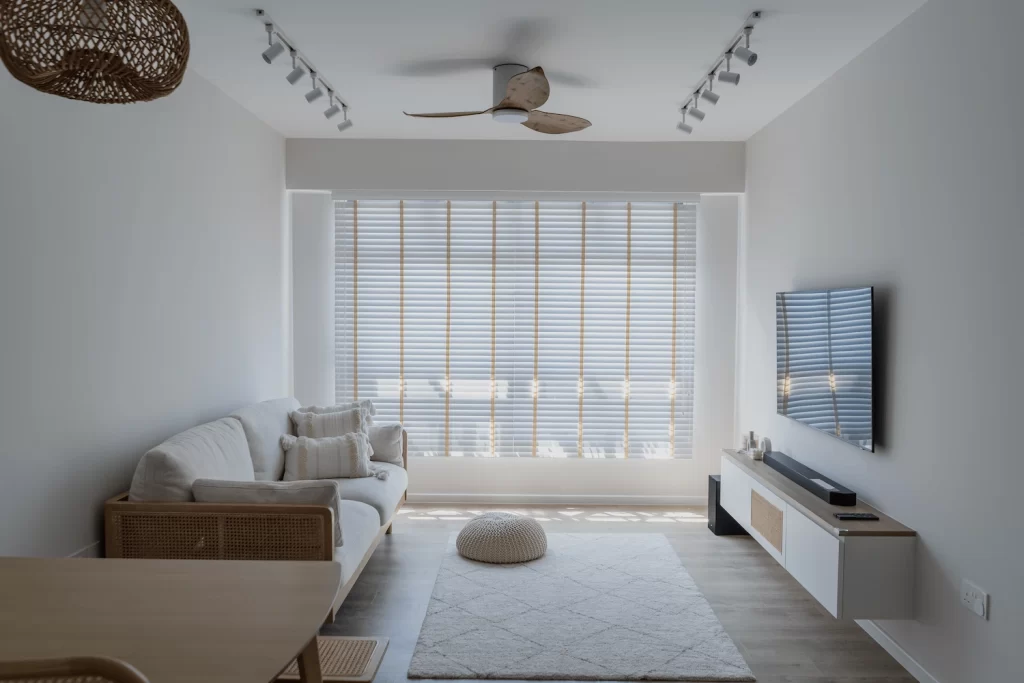
HDB Interior Design is the art and science of enhancing the interior of Singapore’s public housing flats—built by the Housing & Development Board (HDB)—to create spaces that are both functional and visually appealing. Because HDB flats follow standardised layouts and sizes, interior design here isn’t just about decorating—it’s about making the most of every inch while ensuring renovations comply with HDB’s regulations.
Key Elements of HDB Interior Design
- Space Optimisation
- Smart Layout Planning: Designers consider how each room is used and arrange furniture to maximise movement and comfort.
- Built-in Storage: Custom cabinets, under-bed drawers, and concealed shelving reduce clutter without taking up extra floor space.
- Open-Concept Living: Knocking down non-structural walls (with HDB approval) to create airy, multifunctional spaces.
- Personalisation and Style
- Tailored to the Homeowner’s Lifestyle: A young couple may prefer sleek, minimal interiors, while a multi-generational family might need traditional, partitioned layouts.
- Material Choices: Durable laminates for cabinetry, anti-slip flooring for safety, and eco-friendly finishes for sustainability.
- Colour Schemes: Neutral tones for timeless elegance, or bold accents to express personality.
- Compliance with HDB Renovation Guidelines
- Structural Rules: Load-bearing walls cannot be removed or altered without approval.
- Work Restrictions: Wet works (like tiling and hacking) must follow permitted timeframes to minimise disturbance to neighbours.
- Licensed Professionals: Electrical works must be done by HDB-licensed electricians; gas works by certified gas service workers.
- Blending Function and Aesthetics
- Lighting Design: Layered lighting (ambient, task, accent) to create mood and improve usability.
- Furniture Selection: Choosing proportionate furniture that fits the scale of an HDB flat without overcrowding.
- Natural Elements: Incorporating plants, wood textures, and sunlight to make the home feel warm and inviting.
Popular HDB Interior Design Styles
- Scandinavian: Light wood tones, neutral colours, and minimal clutter.
- Industrial: Raw finishes, exposed pipes, and darker tones for a trendy urban vibe.
- Modern Contemporary: Sleek lines, glossy finishes, and integrated technology.
- Japandi: A mix of Japanese minimalism and Scandinavian cosiness.
- Eclectic: A personalised mix of textures, colours, and decor from different styles.
Why HDB Interior Design Matters
- Enhances Daily Living: A well-planned space supports comfort, relaxation, and productivity.
- Increases Resale Value: A stylish, functional renovation can make a flat more attractive to buyers.
- Improves Functionality: Thoughtful layouts make chores, cooking, and hosting easier.
- Expresses Personality: The interior becomes a reflection of the homeowner’s taste, lifestyle, and priorities.
For interior design firms, HDB design projects are a key portfolio highlight because:
- They showcase the ability to work creatively within space constraints.
- They demonstrate expert knowledge of HDB compliance—a trust factor for homeowners.
- They allow for before-and-after transformations that are highly shareable on social media.
HDB Interior Design Renovation Permits: What Homeowners Need to Know
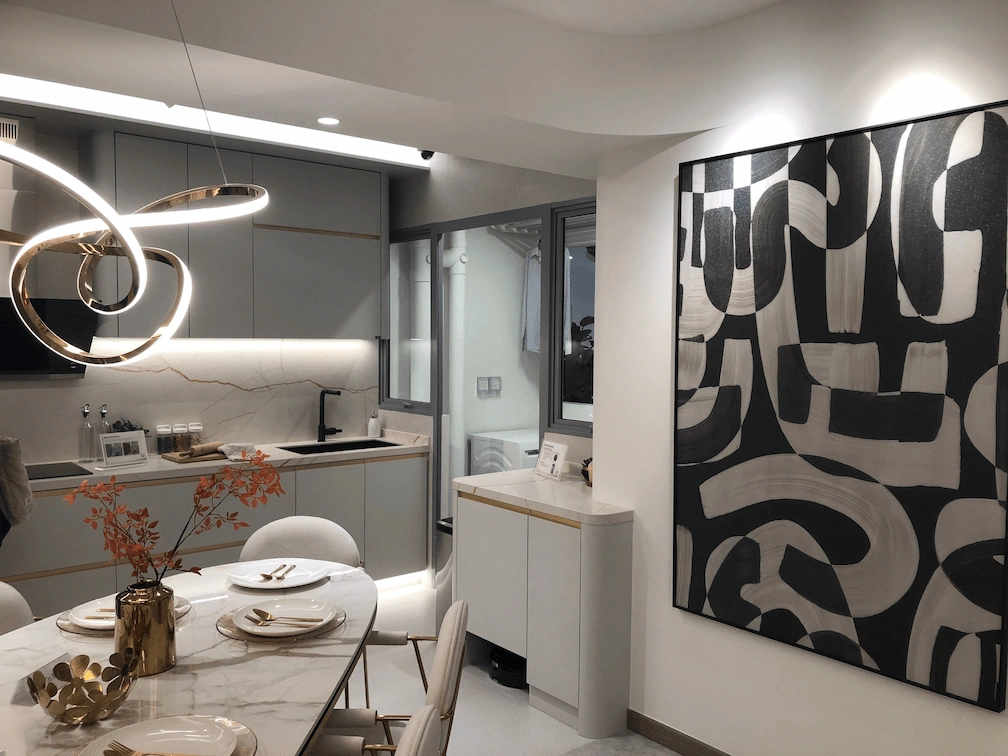
When planning an HDB interior design renovation in Singapore, securing the right permits is not just a technicality—it’s a legal requirement that safeguards your investment, ensures safety, and keeps your home compliant with HDB’s strict renovation guidelines.
An HDB renovation permit is mandatory for certain types of works, especially those that affect the structure, safety, or appearance of the building. Without it, homeowners risk:
- Receiving stop-work orders from HDB.
- Facing fines and penalties.
- Paying for costly rectifications or removal of non-compliant works.
Hiring an HDB-registered renovation contractor is crucial because they handle the permit application process, ensuring your renovation runs smoothly while meeting legal requirements.
Works That Require an HDB Renovation Permit
Below is a guide showing common renovation works and whether they require a permit.
Type of Renovation Work | Permit Required? | Details & Restrictions |
Hacking of Walls | Yes | Mandatory for structural and load-bearing walls. Non-compliance can cause serious safety risks. |
Bathroom & Kitchen Floor Finishes Replacement | Yes | Wet works require approval to ensure waterproofing integrity. |
Window Replacement | Yes | Only HDB-approved window designs and contractors are allowed. |
Electrical Rewiring | Yes | Required if works affect the main electrical supply. Licensed electricians must perform the job. |
Air-Conditioner Installation | Sometimes | Required for certain models, especially if altering external facade. |
Painting & Minor Repairs | No | As long as works don’t damage the structure or common property. |
Built-in Carpentry (e.g., wardrobes) | No | Provided no hacking or structural modifications are involved. |
Key Steps in the HDB Renovation Permit Process
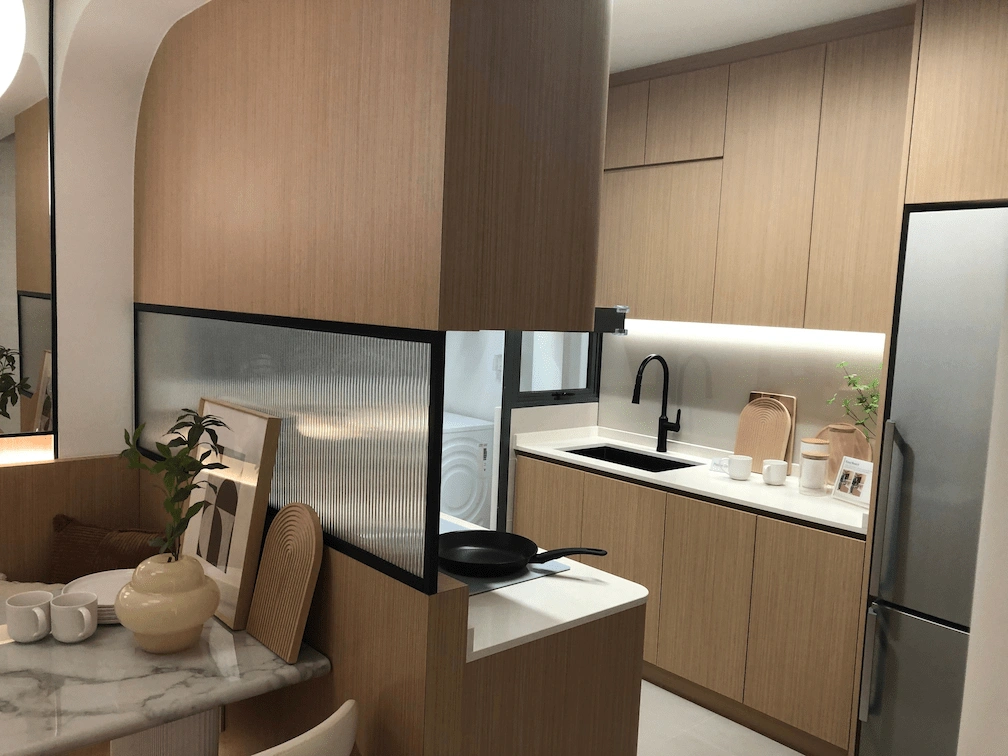
Understanding the HDB renovation permit process ensures that your project flows smoothly, avoids legal trouble, and stays on schedule. Each stage is important and affects the timeline and budget of your interior design work.
Engage an HDB-Registered Renovation Contractor (RRC)
- HDB only recognises works done by contractors from its official Registered Renovation Contractors’ Scheme (RRCS).
- These contractors have been vetted for competence, safety compliance, and ethical practices.
- They understand which works require permits, how to prepare the documentation, and how to manage works within allowed hours.
- Choosing an RRC also reassures HDB that your project will follow approved methods and materials.
Contractor Prepares the Renovation Plan
- This includes detailed floor plans, material specifications, and scope of work.
- Contractors identify which works need approval (e.g., hacking, electrical rewiring, plumbing).
- This planning stage is crucial for avoiding delays caused by incomplete or inaccurate applications.
Permit Application Submission to HDB
- Only your contractor can apply via HDB’s e-service portal.
- The application must include:
- Proposed layout and works.
- Proof of contractor’s registration.
- Timeline for the renovation.
- Incorrect submissions can be rejected, causing delays—another reason why experienced contractors matter.
Waiting for Approval
- The approval period is about 2 weeks, though complex works (especially structural changes) may take longer.
- During this time, contractors may liaise with HDB officers to clarify details.
- Work cannot legally begin until written approval is received.
Permit Issuance and Display
- Once approved, the permit must be displayed prominently in the unit during renovation.
- This allows HDB officers to verify that the works are authorised during inspections.
Carrying Out Works Within the Approved Scope and Timeline
- Renovations must only cover the scope stated in the permit.
- Working beyond the approved works (e.g., adding extra hacking not listed) can lead to penalties.
- HDB also enforces renovation hours: typically 9:00 AM – 6:00 PM on weekdays, no work on Sundays/public holidays for noisy tasks.
Why Compliance Matters in HDB Renovations
When it comes to HDB interior design and renovation in Singapore, securing the proper permits and following the Housing & Development Board (HDB) guidelines isn’t just a matter of ticking boxes—it’s the foundation of a safe, legal, and value-adding home upgrade.
Non-compliance can put you at risk of costly fines, delayed timelines, and even structural damage that compromises the safety of your family and neighbours. Whether you’re planning a minor remodel or a full-scale transformation, understanding why HDB renovation compliance is important will help you avoid mistakes, protect your investment, and ensure peace of mind throughout the project.
Below is a breakdown of the key reasons compliance matters in HDB renovations, along with the potential benefits and risks in each area.
Reason for Compliance | Why It Matters | Risks of Non-Compliance |
Protects the Structural Integrity of Your Flat and Block | HDB flats share structural components such as load-bearing walls, beams, and columns. Following rules ensures your design upgrades don’t compromise the stability of the entire building. | Unauthorized hacking can weaken the structure, posing safety hazards to both you and your neighbours. |
Prevents Costly Legal Penalties | Compliance keeps you within Singapore’s building regulations and avoids legal disputes with HDB. | Stop-work orders, fines, and forced reinstatement—which can cost thousands—are common consequences. |
Ensures Electrical and Plumbing Safety | Licensed electricians and plumbers use approved materials and methods, reducing risks. | Electrical faults, fire hazards, and water leaks can result from unapproved work, damaging your home and others. |
Preserves Property Value and Saleability | Compliant renovations reassure potential buyers and smoothen the resale process. | Unapproved works can delay or block property sales, and buyers may demand costly rectifications. |
Maintains Community Harmony | HDB limits noisy works to specific hours and requires waste management. | Ignoring these rules creates disputes with neighbours, impacting your living environment. |
Strengthens Your Insurance Coverage | Compliance keeps your home insurance policy valid in case of accidents. | Claims for damages caused by non-approved works are often rejected by insurers. |
Getting an HDB renovation permit is more than ticking a box—it’s the foundation for a safe, smooth, and legally compliant home renovation. By engaging an HDB-registered contractor, understanding what works require approval, and factoring in permit timelines and costs, homeowners can enjoy a hassle-free renovation experience that enhances both the beauty and value of their HDB flat.
Top 9 HDB Interior Design Rules in Singapore: What You Can and Can’t Renovate
If you’re planning an HDB interior design project in Singapore, you can’t just start hacking walls and changing layouts without approval. The Housing & Development Board (HDB) has strict renovation rules to ensure safety, maintain structural integrity, and promote harmony in close-knit residential communities.
Whether you’re upgrading your kitchen, remodelling your bathroom, or giving your entire flat a makeover, it’s crucial to know what you can and can’t renovate in an HDB flat. Ignoring these rules can result in hefty fines, stop-work orders, or even the need to undo all your renovation work at your own cost.
Below are the top 9 HDB renovation rules every homeowner should know—plus a quick reference table to keep your project compliant.
HDB Interior Design Rule #1 – Structural Walls Cannot Be Removed Without Approval
When planning your HDB renovation, one of the most important rules to remember is that HDB regulations strictly protect structural elements. This ensures the building’s long-term stability, resident safety, and compliance with Singapore’s housing laws. Attempting to remove or alter these without written consent can lead to severe consequences — both financially and legally.
- Structural Integrity is Non-Negotiable: These walls, beams, and columns form the core skeleton of your HDB flat. Even small recesses or niches can weaken them and create long-term safety issues.
- No Shortcuts in Approval: Even if a contractor says “it’s safe to hack,” you still need HDB’s written consent. Unauthorised works can lead to stop-work orders and costly reinstatement.
- Design Alternatives That Work: Many interior designers use glass partitions, open-concept shelving, or lightweight false walls to achieve an open-plan look without touching structural components.
- External Modifications Require Extra Care: If your design includes changes to external walls or windows, HDB has strict guidelines on height, colour, and materials. You’re also responsible for maintaining these modifications to prevent deterioration.
Aspect | Details |
What’s Prohibited |
|
Why It Matters |
|
Possible Design Workarounds |
|
When it comes to HDB interior design, Rule #1 sets the foundation for safety and compliance. Preserving structural walls is not just a legal obligation — it’s a critical step in protecting your home’s value, ensuring neighbour safety, and avoiding expensive mistakes. By working with an HDB-registered interior designer, you can achieve your dream layout while staying fully compliant with HDB’s structural guidelines.
HDB Interior Design Rule #2 – Flooring Works Must Follow Approved Materials and Methods
Flooring plays a major role in your HDB flat’s aesthetics, comfort, and durability — but it’s also one of the most tightly regulated renovation areas. HDB enforces strict guidelines on the types of materials, installation methods, and allowable height changes to protect the building’s structure and prevent damage to neighbouring units. Ignoring these rules could lead to safety hazards, water leakage issues, or costly reinstatement works.
- Height Restrictions Protect Structural Safety: Floor level changes are strictly capped to prevent excess weight and uneven stress on the structure. Raised platforms (like in bedrooms or study areas) can add visual interest but must remain within HDB’s 1-metre maximum height limit.
- Waterproofing is Essential: In wet areas such as bathrooms and kitchens, HDB-approved waterproofing methods are mandatory to prevent seepage into lower units.
- Material Choice Affects Safety and Longevity: Non-combustible materials help prevent fire hazards, while quality finishes ensure floors remain safe, slip-resistant, and durable.
- Why DIY is Risky: Flooring work may seem straightforward, but incorrect screeding or improper adhesive use can cause hollow tiles, cracking, or uneven flooring that requires expensive repairs.
- Compliance Prevents Delays: If your flooring work fails an HDB inspection, you may face a stop-work order until corrections are made — adding unnecessary cost and time.
Aspect | Details |
What’s Regulated |
|
Why It Matters |
|
Approved Guidelines |
|
Pro Tip |
|
Flooring renovations are more than just a design choice — they are a structural and safety responsibility. By following HDB’s flooring height, material, and installation rules, you ensure your renovation is not only beautiful but also compliant and long-lasting. Always engage HDB-approved contractors to guarantee quality workmanship and a smooth approval process.
HDB Interior Design Rule #3 – Bathroom Renovations Have Strict Limits
Bathrooms are one of the most frequently renovated spaces in HDB flats — but also one of the most regulated. HDB enforces strict bathroom renovation rules, especially within the first three years of your flat’s completion, to protect the waterproofing membrane and prevent leakage into neighbouring units. Breaking these rules can lead to costly repairs, reinstatement orders, and even disputes with your neighbours.
- The 3-Year Restriction Protects Waterproofing: The initial three years after completion are when your flat’s structure settles. Any hacking in this period risks damaging the waterproof membrane beneath your tiles, leading to leakage that can be expensive and disruptive to fix.
- Safe Renovation Options During the Restriction: Instead of hacking, opt for tile overlays that don’t require removing the original finish. This instantly updates the look while preserving waterproofing integrity.
- Tiling Thickness Matters: When re-tiling after the restriction period, keep total thickness — including screed and finish — under 50mm to avoid uneven levels and tripping hazards.
- Proper Sealing Prevents Long-Term Damage: Always use HDB-approved pre-packed waterproofing materials and ensure proper sealing at joints and corners to prevent seepage.
- Safety for Glass Fixtures: If you’re installing glass shower screens or louvres, follow HDB’s safety glass thickness specifications to reduce the risk of shattering.
Aspect | Details |
What’s Prohibited |
|
Why It Matters |
|
Allowed After 3 Years |
|
Design Workarounds |
|
Bathroom renovations can dramatically improve comfort and style, but in HDB flats, compliance is non-negotiable. Respect the 3-year hacking restriction, follow waterproofing guidelines, and work with HDB-approved bathroom contractors to ensure a functional, stylish, and regulation-compliant space. With smart design workarounds, you can still achieve a stunning bathroom makeover without breaking any rules.
HDB Interior Design Rule #4 – Approved Windows and Grilles Only
Windows and grilles may seem like small details, but in HDB flats, they are tightly regulated for safety and aesthetic uniformity. Incorrect installation or non-compliant designs can lead to accidents, fines, and mandatory reinstatement. Additionally, doors along fire escape routes must meet specific fire safety requirements to protect residents in an emergency.
- Why HDB Restricts Window Work: Falling window incidents have caused serious injuries in the past, prompting strict laws. Ensuring that only trained contractors install or repair windows significantly reduces these risks.
- Fire Door Compliance Saves Lives: For doors along escape routes, a minimum 30-minute fire rating helps contain flames and smoke, giving residents critical time to evacuate safely.
- Material and Design Choices: Powder-coated aluminium frames are durable, rust-resistant, and easy to maintain — ideal for Singapore’s humid climate.
- Façade Uniformity Matters: HDB blocks have a coordinated look, and using approved designs prevents visual clutter while maintaining property value.
- Safety Glass is Non-Negotiable: All glass components, including sliding doors and louvre panels, must meet HDB’s safety glass thickness requirements to prevent dangerous breakage.
Aspect | Details |
What’s Regulated |
|
Why It Matters |
|
Approved Designs |
|
Design Tips |
|
Window, grille, and door renovations in HDB flats go beyond design preferences — they are essential for safety, uniformity, and compliance. Always engage a BCA-trained contractor for window works, and ensure fire escape doors meet fire-rating standards. By balancing safety with style, you can upgrade your home’s look without compromising on regulations or peace of mind.
HDB Interior Design Rule #5 – Air-Conditioner Installation Requires Compliance
In Singapore’s heat, air-conditioners are almost a must-have, but HDB regulates how they are installed to protect both residents and the building’s infrastructure. Incorrect installation can lead to electrical hazards, water leaks, and structural damage, which is why only HDB-approved installers are allowed to carry out the work.
- Why HDB Requires Licensed Installers: Licensed installers are trained to work within HDB’s building constraints, ensuring the installation doesn’t damage structural beams or common property. They also know how to size and wire units according to your flat’s electrical capacity.
- Condenser Placement Rules: Condensers must be installed in approved locations to ensure they don’t obstruct neighbours’ windows or compromise the building’s façade.
- Electrical Load Management: Air-conditioners require significant power. Proper installation includes dedicated wiring and circuit protection to prevent overloading the system.
- Drainage and Condensation Control: Poor drainage can cause water to drip onto other units or common areas, which is both a nuisance and a violation of HDB rules.
- Integrating with Your Interior Design: Aircon trunking can look messy if planned late. By mapping it out during renovation planning, you can conceal it in false ceilings, run it along less visible corners, or match its casing colour to your walls.
Aspect | Details |
What’s Required |
|
Why It Matters |
|
Approved Practices |
|
Design Tips |
|
Installing an air-conditioner in an HDB flat isn’t just a technical job — it’s a regulated process that affects safety, aesthetics, and even neighbour relations. By hiring an HDB-licensed installer and planning the trunking layout early, you’ll ensure a compliant, efficient, and visually pleasing setup that keeps your home cool without any compliance headaches.
HDB Interior Design Rule #6 – Household Shelter Modifications Are Restricted
Every HDB flat comes with a household shelter (HS), designed as a safe refuge during emergencies like fires or natural disasters. Because it plays such a critical role in safety, the HS is heavily regulated, and any modifications must not compromise its structural integrity or emergency readiness. Homeowners must design around its constraints rather than alter it directly.
- Why Modifications Are Restricted: Household shelters are constructed with reinforced concrete walls up to 300mm thick, designed to withstand impact and extreme conditions. Altering them could weaken the shelter and endanger occupants in an emergency.
- Legal & Safety Implications: HDB regulations and SCDF guidelines strictly prohibit hacking, drilling, or removing the HS door. Non-compliance can result in stop-work orders, fines, and costly reinstatement.
- Smart Interior Design Solutions
- Freestanding Storage: Shelving units that don’t require wall mounting can still maximise space for household supplies or cleaning tools.
- Decor Without Damage: Use removable wall decals or adhesive wallpaper for a more homely feel.
- Functional Integration: Surround the HS with cabinetry that blends it into the overall interior, making it less visually intrusive while keeping it 100% accessible.
- Maximising Utility Without Breaking Rules: Many homeowners use the HS as a store room. By using stackable bins, labelled containers, and adjustable shelving, you can create an organised and accessible space without a single wall alteration.
Aspect | Details |
What’s Prohibited |
|
Why It Matters |
|
Approved Practices |
|
Design Workarounds |
|
Your household shelter is a life-saving feature, not just a room. Keeping it compliant with HDB and SCDF rules ensures it will perform its function when it matters most. With thoughtful, regulation-friendly design strategies like freestanding carpentry and removable decor, you can transform it into a functional storage space that also blends seamlessly into your home’s interior design — all while staying 100% within the law.
HDB Interior Design Rule #7 – Electrical Works Need Approval for Higher Loads
Modern lifestyles often mean more appliances, smart home devices, and higher power demands. However, in an HDB flat, major rewiring or upgrading your electrical load isn’t something you can do freely — it requires HDB approval. A licensed professional must carry it out. This ensures your home’s electrical system remains safe and reliable for years to come.
- Why Approvals Are Necessary: HDB flats have a standard electrical supply capacity, typically sufficient for day-to-day needs. Upgrading the load without approval can strain the building’s system, leading to power outages or safety hazards.
- Legal & Safety Implications: Any unauthorised increase in load capacity is a violation of HDB regulations. It can result in stop-work orders, fines, and mandatory reinstatement to the original wiring configuration.
- How the Approval Process Works
- Engage a licensed electrician or LEW to inspect your flat and determine the required capacity.
- The LEW will submit an application to HDB with the proposed upgrade details.
- Once approved, the electrician carries out the work in compliance with SS 638 and safety guidelines.
- A final inspection ensures the installation meets all standards.
- Practical Design Integration
- If you’re planning a kitchen revamp, factor in your appliance wattage early.
- Consider energy-efficient appliances to reduce the need for load upgrades.
- If you’re adding multiple high-draw devices (e.g., gaming PCs, air fryers, induction cookers), spread their usage to avoid tripping breakers.
Aspect | Details |
What’s Regulated |
|
Why It Matters |
|
Approved Practices |
|
Design & Planning Tips |
|
Electrical safety is non-negotiable in any renovation. By securing HDB approval before making major electrical changes, you protect your home from fire hazards, avoid legal penalties, and ensure your electrical system can meet your lifestyle needs. Working with a licensed electrician from the start makes the process smooth — and integrating smart design choices early can save you from costly rewiring later.
HDB Interior Design Rule #8 – Concealing Pipes and Wiring
A clean, uncluttered interior often means hiding unsightly pipes and electrical wiring behind walls, ceilings, or cabinetry. While concealment is a popular design choice, HDB has strict regulations to ensure that your upgrades remain safe, maintainable, and compliant.
- Accessibility is Key: Concealment doesn’t mean sealing systems away forever. HDB mandates that concealed pipes have sufficient openings (minimum 600mm × 600mm) to allow for inspection, maintenance, and repairs without dismantling major structures.
- Electrical Safety Considerations: Electrical wiring should never be embedded in reinforced concrete or routed through beams or columns. Instead, use approved trunking or run cables along walls and ceilings in compliance with Singapore Standards SS 638.
- Smart Aesthetic Solutions
- Create removable box-ups that seamlessly blend with your wall finish, yet can be easily opened when needed.
- Incorporate false ceilings with service hatches to hide air conditioning piping and electrical runs while keeping them accessible.
- Hide vertical pipes in tall cabinetry, pairing them with shelving or storage compartments.
- Common Mistakes to Avoid
- Permanently sealing pipes behind tiles without any access panel.
- Overstuffing concealed spaces with insulation or décor materials that hinder ventilation.
- Using unlicensed contractors who may ignore HDB’s concealment guidelines.
Aspect | Details |
What’s Regulated |
|
Why It Matters |
|
Approved Practices |
|
Design & Planning Tips |
|
Concealing pipes and wiring is as much about planning for function as it is about achieving a polished look. By designing with HDB’s accessibility requirements in mind, you ensure your home remains safe, compliant, and future-proof — all while enjoying the clean, modern aesthetic you envision for your flat.
HDB Interior Design Rule #9 – Exterior and Façade Regulations
The exterior of an HDB flat is more than just a wall — it’s part of a shared community identity. For this reason, HDB enforces strict rules on what flat owners can and cannot change on the building’s façade. These regulations protect the uniform appearance, ensure safety, and preserve the value of both your unit and the entire block.
- Uniformity Preserves Value: In a shared housing environment like HDB estates, visual uniformity isn’t just about looks — it contributes to the overall resale value of units by maintaining a consistent and appealing appearance.
- Safety Considerations: Unauthorised awnings or heavy fixtures can become hazards in strong winds or heavy rain. HDB-approved designs undergo structural safety checks to ensure they won’t pose risks to residents or passersby.
- Approval Process for Exterior Changes
- Prepare detailed plans or drawings of the intended modification.
- Apply to HDB, including materials, dimensions, and colour specifications.
- Await written approval before starting any work.
- Installation must be done by qualified contractors familiar with HDB requirements.
- Design Workarounds
- Instead of exterior awnings, consider motorised indoor blinds that block sunlight effectively.
- For privacy, interior window films can offer one-way visibility without changing the building’s outside look.
- Use potted plants or freestanding screens on balconies for shade — these don’t require HDB approval if kept within your flat boundary.
Aspect | Details |
What’s Regulated |
|
Why It Matters |
|
Approved Practices |
|
Design & Planning Tips |
|
Your HDB unit’s exterior is a shared visual asset, not just a personal space. By following façade regulations, you protect your home’s safety, contribute to the block’s visual harmony, and maintain long-term property value. Always seek HDB’s written approval before making any changes — it’s the simplest way to stay compliant while still enjoying a home that reflects your style.
Looking to Renovate Your HDB Interior Design with Style and Compliance in Mind?
Arm yourself with the essential design dos and don’ts—like knowing which walls are safe to hack, when you can upgrade flooring, or how to handle windows and balconies—so your renovation journey is smooth, secure, and fully aligned with HDB regulations.
Keep things headache-free by partnering with trusted experts: rely on NineZone Interior for smart, stylish, and regulation-savvy design solutions that transform your flat without crossing the line.
Frequently Asked Questions
Do I need HDB approval for all renovation works?
No. Minor works like painting walls, replacing floor tiles in kitchens, or changing light fixtures typically don’t require approval. However, structural changes, hacking walls, altering bathrooms, or modifying the façade do need HDB’s prior consent. A good interior design firm will guide you through the approval process and ensure your project is compliant before works begin.
Can I hack down any wall in my HDB flat?
No. Only non-load-bearing walls can be hacked, and even then, you must apply for HDB approval. Load-bearing walls, which support the building’s structure, cannot be removed. A professional designer will inspect your floor plan, identify which walls are safe to modify, and submit the necessary documents to HDB on your behalf.
Can I change the floor tiles in my HDB unit?
Yes, you can replace floor finishes, but noisy work like tile removal must be carried out within HDB’s stipulated hours and timeframe (usually within the first three years of your block’s completion for new flats). Interior designers often help homeowners choose tiles that meet HDB’s specifications while matching their preferred style.
Can I expand or reposition my bathroom?
No. Bathrooms in HDB flats have waterproofing and structural considerations, so you can’t expand them beyond their original size or shift their location. You can, however, change fixtures, wall tiles, and fittings after obtaining approval. Renovation companies with HDB-licensed contractors ensure waterproofing integrity and compliance.
Am I allowed to install false ceilings in my HDB flat?
Yes, false ceilings are allowed, but they must not interfere with structural beams or reduce ceiling height below HDB’s minimum clearance. They’re a popular design choice for concealing wiring and adding ambient lighting, and an experienced designer will ensure safe and approved installation.
Contact us for any
Modern Interior Design Queries
"*" indicates required fields
This site is protected by reCAPTCHA and the Google Privacy Policy and Terms of Service apply.
